

Best HVAC Questions to Ask Before Buying an HVAC system
Knowing the best HVAC questions to ask will help those who want to update their systems to narrow down their selections. An HVAC system is usually an afterthought until it begins to malfunction. Many factors impact a homeowners’ decision on which HVAC system to purchase, and it is vital to choose one that is the right fit for each homeowners’ lifestyle. Choosing a dealer can be challenging. Best HVAC Questions: Does My System Need to be Repaired or Replaced? This question may be the most critical one to ask an...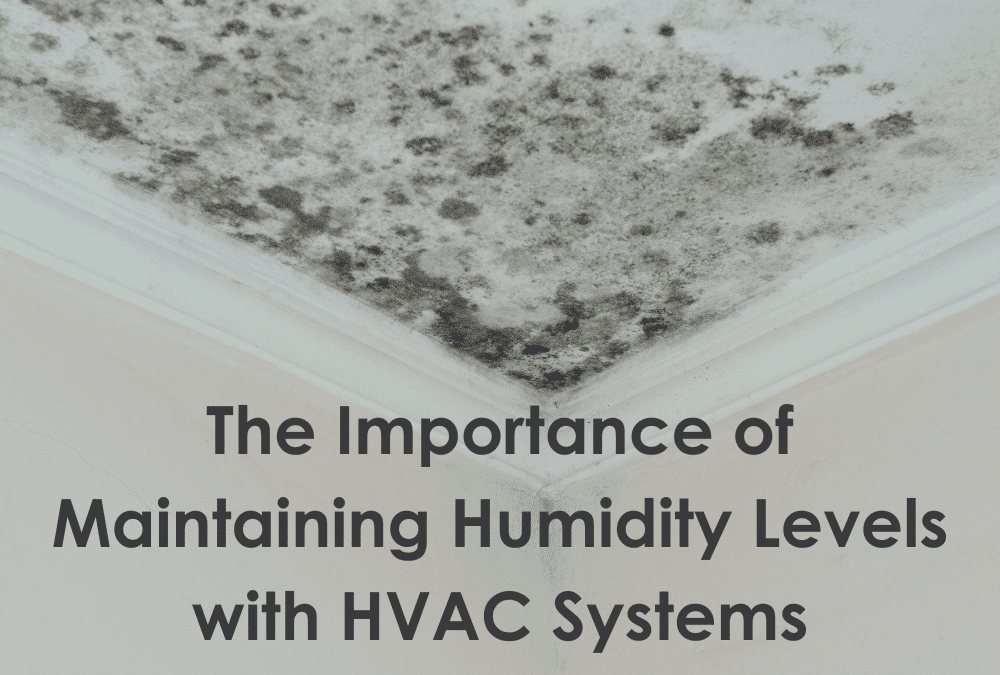
The Importance of Monitoring Humidity Levels with HVAC Systems
The Environmental Protection Agency recommends keeping indoor humidity levels between 30-50% year-round to maintain comfort levels and good air quality. The Problems With High Humidity Levels Too much humidity in a home, and the risk of having mold, mildew, dust, and allergens increases substantially. High humidity levels also cause damage to hardwood floors and fabrics, condensation on windows, and a musty odor in the home. With high humidity levels, the home feels too warm, causing HVAC systems to work harder...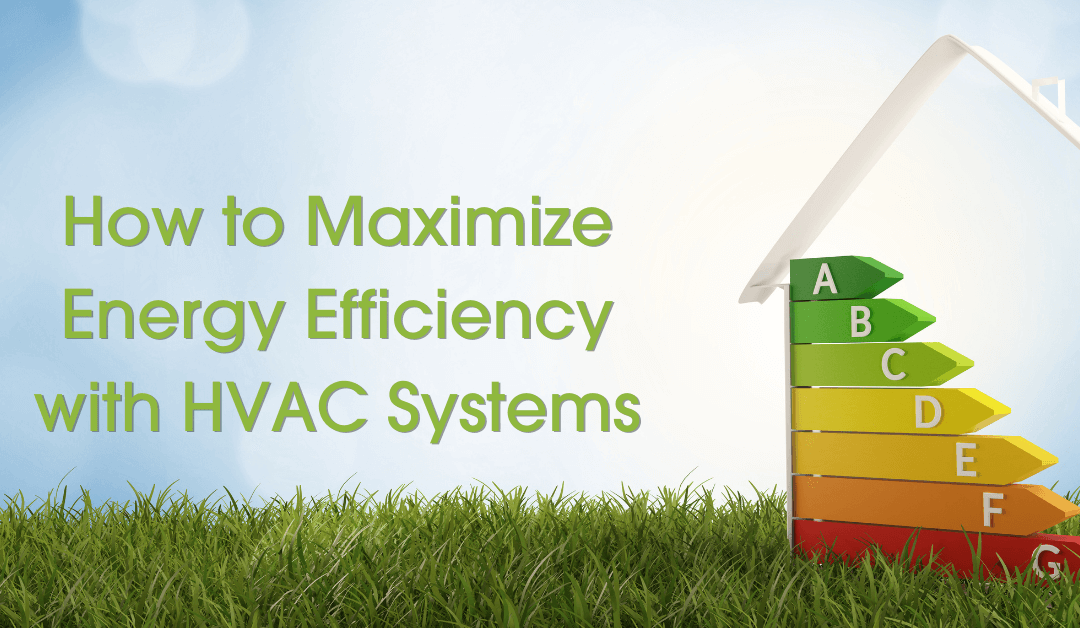
How to Maximize Energy Efficiency with HVAC Systems
What’s a SEER ratio? The U.S. Department of Energy defines SEER as the Seasonal Energy Efficiency Ratio, or the measure of the energy efficiency of a heating and cooling system. Minimum standards are set by the DOE, depending on geographical region. To calculate a SEER ratio, DOE simulates a “typical” cooling season of a region, and compares outdoor temperatures (from 60 degrees to over 100) to a constant indoor temperature. Then, they divide that number by energy usage in Watt-Hours. The total is the...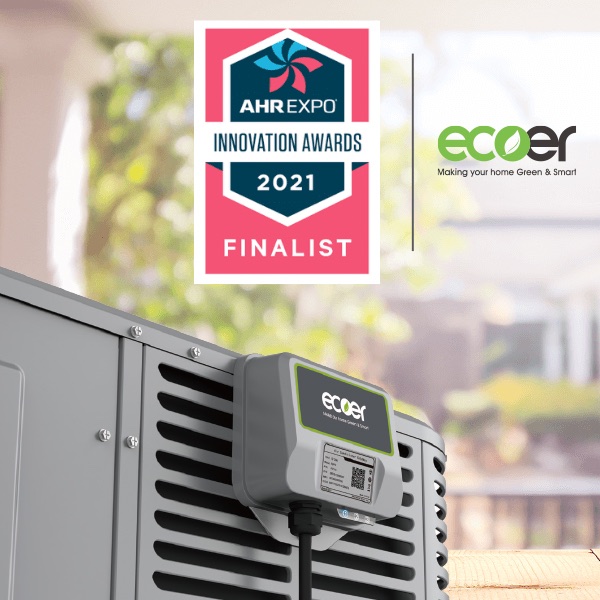
Ecoer, Inc. is a Finalist in AHR Expo’s Innovation Award
Ecoer, Inc. has received recognition as a finalist in the Heating category of the AHR Expo’s Innovation Awards for 2021 for their inventive Home Comfort Systems with IoT Technology! This annual competition by the International Air-Conditioning, Heating, Refrigerating Exposition recognizes “the most inventive and original products, systems and technologies” from HVACR companies. Companies can enter into the following categories: building automation; cooling; green building; heating; indoor air quality; plumbing;...