


What Is Intelligent HVAC? How the Next Generation of Home Comfort Works
Quick Answer Intelligent HVAC is a system-level approach to heating and cooling that combines adaptive equipment operation with connected monitoring, controls, diagnostics, and service information. Instead of simply turning on and off in response to a thermostat, an intelligent HVAC system can adjust to changing conditions and provide useful performance data that supports comfort, efficiency, installation quality, and long-term service. Heating and cooling technology is changing. For decades, most residential...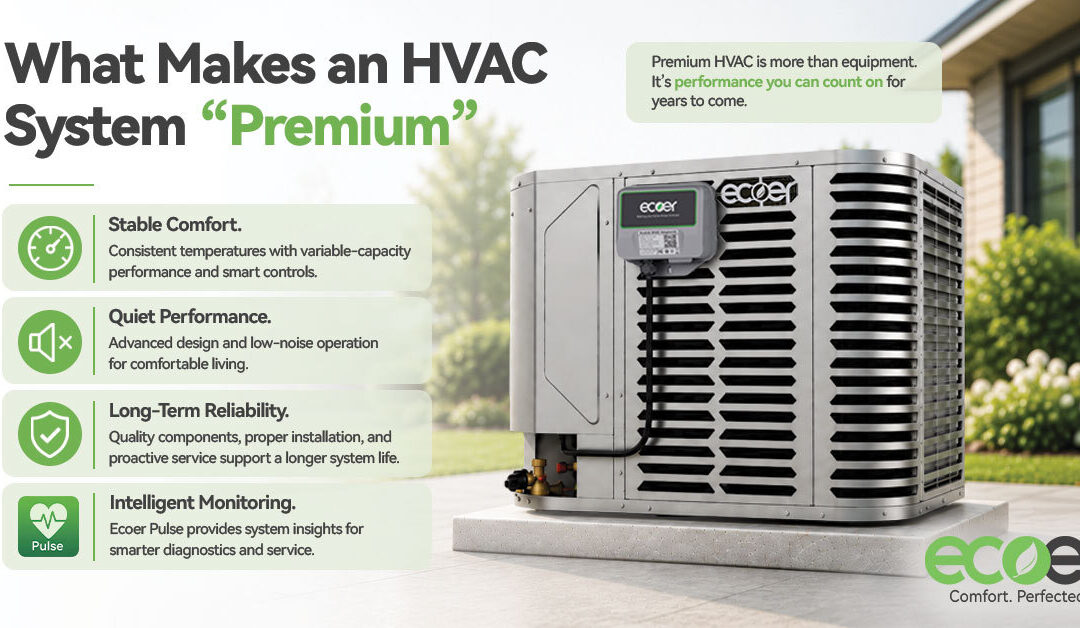
What Makes an HVAC System “Premium”?
Quick Answer A premium HVAC system is defined by more than efficiency ratings or a long list of features. True premium performance comes from the entire system working together to deliver consistent comfort, quiet operation, long-term reliability, and intelligent system control. For homeowners, that means comfort they rarely have to think about. For contractors, it means equipment designed to reduce variability, support accurate installation and commissioning, and provide useful information throughout the system...
How IoT HVAC Monitoring Improves Long-Term Home Comfort
Quick Answer IoT HVAC monitoring uses connected sensors and software to continuously track how a heating and cooling system is operating. Instead of relying only on periodic service visits or waiting for a homeowner to notice a problem, connected systems can provide contractors with ongoing performance information that supports faster diagnostics and more proactive maintenance. For homeowners, that can mean more consistent comfort and greater confidence in system performance. For contractors, it means better...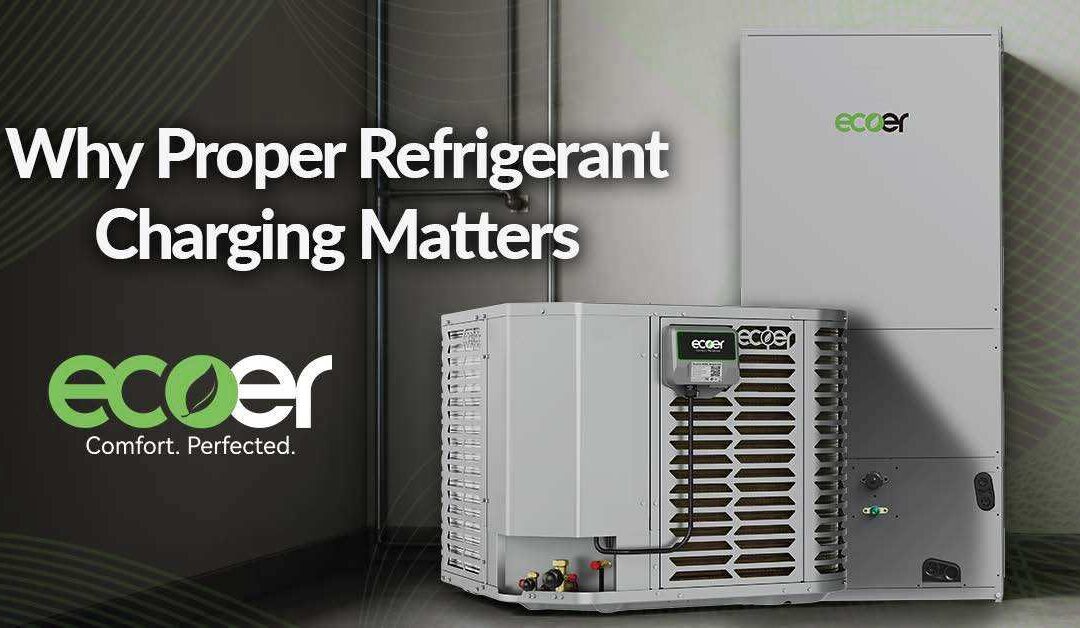
Why Refrigerant Charging Is One of the Biggest HVAC Installation Problems
Quick Answer Refrigerant charging is one of the most critical steps in any HVAC installation, yet it remains one of the most common sources of installation errors. Even small charging inaccuracies can reduce system efficiency, increase energy consumption, shorten equipment life, and lead to unnecessary service callbacks. As HVAC systems become more advanced, installation accuracy becomes even more important. Automatic refrigerant charging helps improve HVAC installation accuracy by reducing the variability of...
